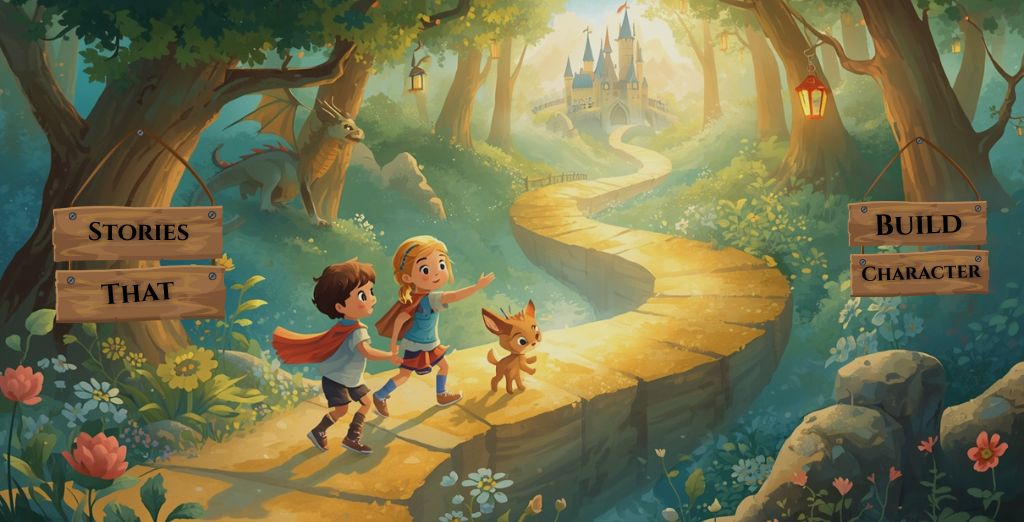
Stories do more than entertain children. They help shape how young readers see themselves, understand others, and respond to the world around them. While exciting adventures keep children turning pages, the lessons hidden within those stories often leave the greatest impact.
The best stories that build character introduce children to courage, kindness, empathy, and perseverance through experiences they can connect with emotionally. Long after the adventure ends, the lessons remain.
How Adventure Stories Teach Life Lessons
Children naturally love adventure. Whether a story includes magical creatures, secret places, or unexpected challenges, adventure sparks curiosity and keeps readers engaged.
What makes these stories valuable is their ability to teach important life lessons without feeling like a lesson at all.
As children follow characters through difficult situations, they see how choices matter. They watch characters face fears, overcome setbacks, help others, and learn from mistakes. These moments show young readers that personal growth often comes from challenges rather than easy victories.
A child may never fly through the night sky or discover a hidden treasure, but they will face moments that require courage, patience, and determination. Adventure stories help prepare them for those experiences in a way that feels both meaningful and enjoyable.
Why Courage and Kindness Matter in Children’s Stories
Some of the most memorable children’s stories about courage and kindness focus on ordinary characters who make extraordinary choices.
Children often relate more to characters who feel unsure, make mistakes, or struggle with self-confidence. When those characters choose to help someone, stand up for what is right, or keep going despite fear, readers begin to understand that courage is not about being fearless.
Kindness works the same way.
The most powerful examples are often the simplest ones. Offering support to a friend, showing compassion to someone who feels alone, or choosing understanding over judgment can leave a lasting impression on young readers.
These small acts teach children that kindness is not just something people talk about. It is something they can practice every day.
Character Lessons Children Learn from Stories
One reason stories remain such an effective teaching tool is that children learn through connection. They experience a character’s successes, disappointments, fears, and triumphs alongside them.
Some of the most valuable character lessons children learn from stories include:
- Taking responsibility for their actions
- Showing kindness even when it is not easy
- Learning patience during difficult situations
- Treating others with respect and empathy
- Developing confidence through persistence
- Making thoughtful choices when faced with challenges
Unlike direct advice, stories allow children to discover these lessons naturally. They see the consequences of choices and gain a deeper understanding of values through experience.
That emotional connection often makes the lesson far more memorable.
Stories That Encourage Empathy and Compassion
Empathy is one of the most important qualities children can develop, and books are one of the best ways to nurture it.
Stories that encourage empathy and compassion allow children to step into someone else’s shoes. They experience different emotions, perspectives, and life situations through the characters they meet.
As children read about someone feeling left out, afraid, hopeful, or misunderstood, they begin to recognize those feelings in others. This helps them become more understanding friends, classmates, and family members.
Reading also encourages children to slow down and consider how their actions affect people around them. Over time, these experiences help build emotional intelligence that benefits them throughout life.
Helping Kids Understand Kindness Through Stories
Kindness becomes easier to understand when children can see it in action.
Helping kids understand kindness through stories provides real examples of how compassion can change someone’s day, strengthen a friendship, or make a difficult situation easier to face.
Stories remind children that kindness does not have to be grand or dramatic. Sometimes it looks like listening when someone needs support. Sometimes it means offering encouragement or showing patience when others are struggling.
These examples help children recognize opportunities to practice kindness in their own lives.
The more they encounter positive examples in books, the more likely they are to carry those lessons beyond the page.
When Faith and Imagination Work Together
Many beloved children’s books combine imagination with meaningful values. When faith and fantasy work together in children’s stories, they create opportunities for children to explore themes like hope, courage, purpose, and personal growth.
Fantasy captures a child’s imagination, while faith-based values provide a strong foundation for character development. Together, they create stories that entertain while offering lessons children can apply in everyday life.
This approach can be seen in The Dragon of Happy Tails: Carter’s Quest by Guyla Adams, where adventure and imagination are woven together with lessons about kindness, faithfulness, courage, gentleness, and self-control. The story shows how meaningful values can be shared through engaging adventures that children genuinely enjoy reading.
Why Character-Focused Stories Still Matter
Children are constantly learning from the people, media, and experiences around them. Books remain one of the most effective ways to introduce positive values while encouraging curiosity and imagination.
Stories that focus on character development help children understand themselves, build stronger relationships, and make thoughtful decisions. They encourage empathy, resilience, kindness, and confidence in ways that feel natural and inspiring.
The adventures may be fictional, but the lessons are very real. And often, those lessons become part of who children are long after they close the book.